

How to Reduce Bitterness in Coffee (Expert Guide)
In this guide, we’ll cover how to reduce bitterness in coffee by adjusting your grind size, water temperature and coffee bean selection. We’ll explain the different bitter flavours and identify factors that contribute to bitterness. Our guided steps will help you learn how to make coffee less bitter ensuring your coffee hits the sweet spot. Have you ever wondered why some coffees have that bitter taste? Well to remove the bitterness would be to remove the coffee because all coffee is bitter regardless if it’s strong or mild. So, why are you drinking bitter coffee?
Table of Contents
Is All Coffee Bitter? (Understanding Good vs. Bad Bitterness)
Yes, all coffee is bitter. Let’s face it, coffee is a bitter beverage and it’s the bitterness that gives it it’s unique flavour. I have been judging coffee for the past 20 years with the Sydney Royal Fine Food Show which is part of the prestigious Royal Agricultural Society of NSW. Good bitterness is an attribute that we look for in coffee. What we evaluate is the bitter-sweet balance between acidity, earthiness and carbony notes to determine quality.
The Role of Caffeine and Melanoids
While pure caffeine tastes bitter, research published by Analytica World (8/6/2026) indicates that caffeine alone is not the primary cause of coffee bitterness.
According to the Journal of Agricultural and Food Chemistry (3/6/2026), caffeine interacts with other coffee molecules called melanoidins that are produced during the roasting process helping suppress the caffeine bitterness.
Why are some coffees bitter and others aren’t?
Before looking at how to reduce bitterness in coffee, we need to get you to know which bitterness you prefer. Our family has been sourcing, roasting and blending coffee for 4 decades. Over this time we have clearly understood how subjective coffee is amongst different people. Many people will define an acidic coffee as being too strong and bitter. Whilst others say that a dark roast is burnt and tastes bitter. Who’s right??? Well, let’s find out.
Acidic Bitterness vs. Carbony Bitterness
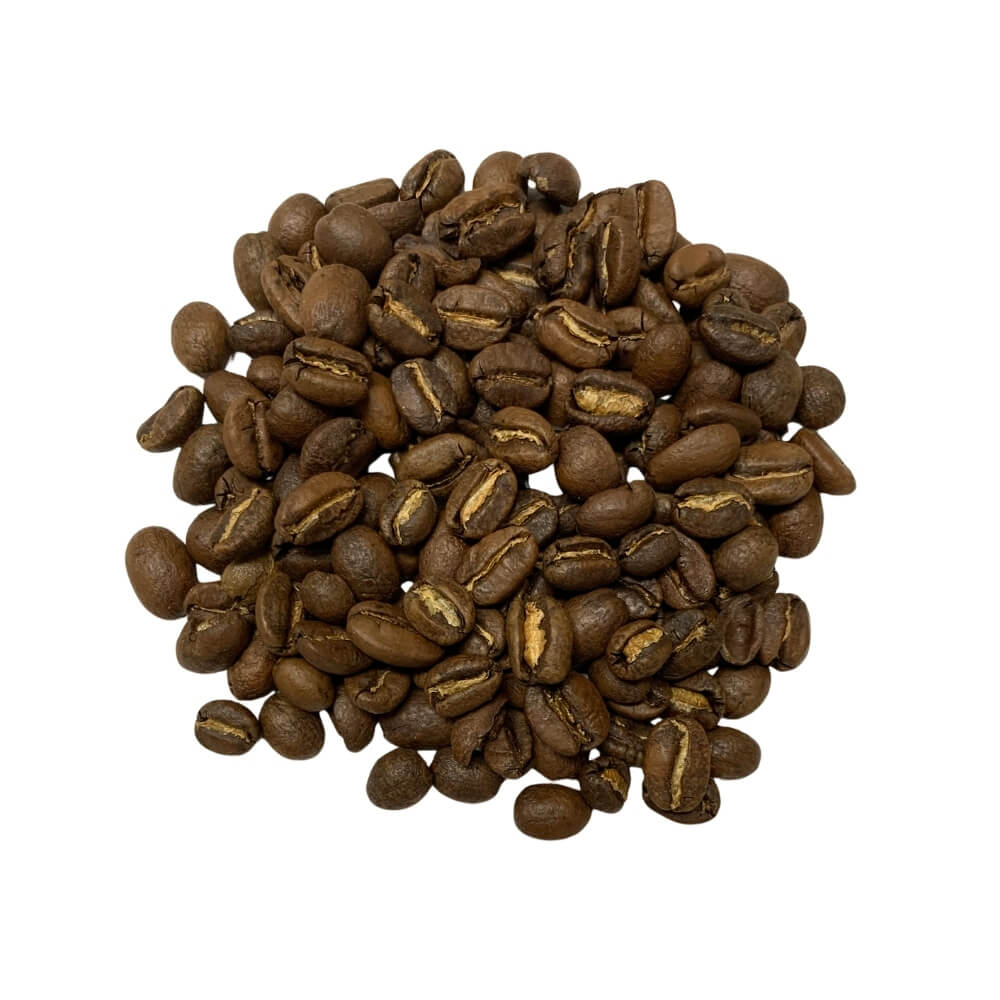
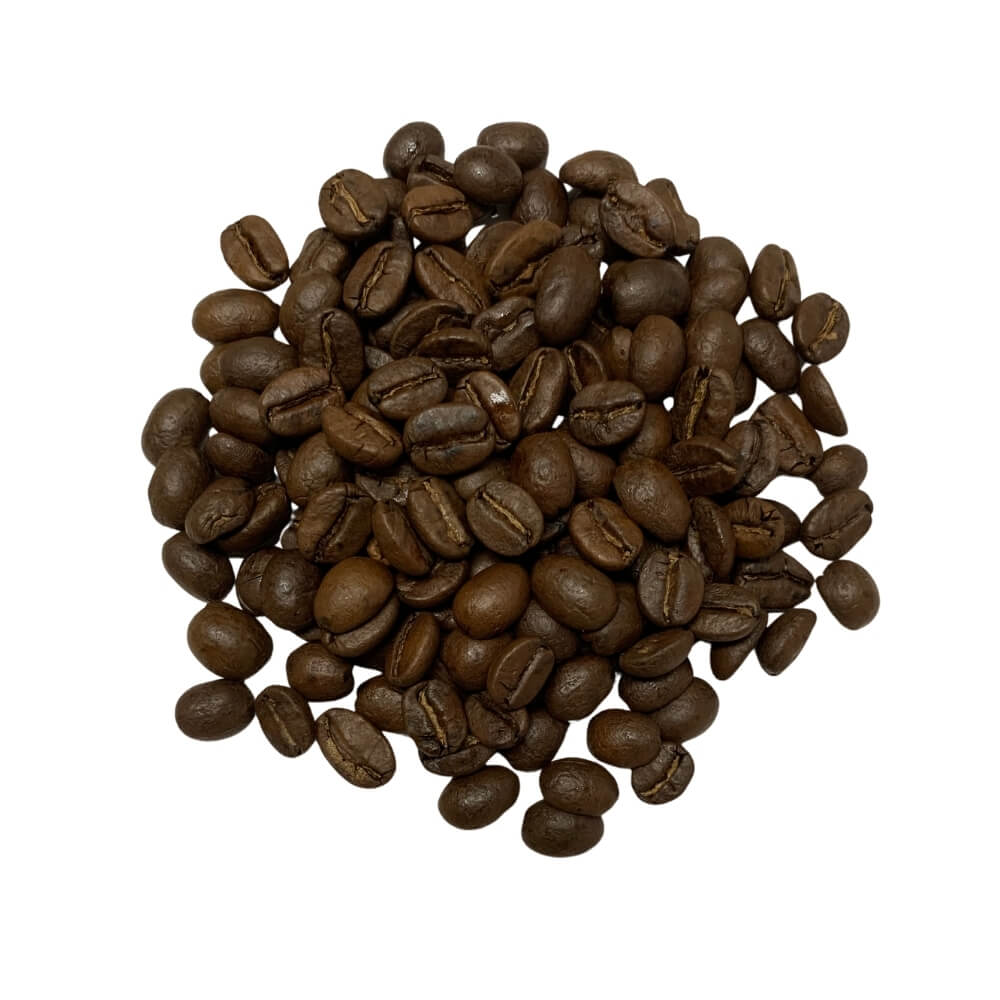
Before learning how to reduce bitterness in coffee, it helps to understand which type of bitterness you are tasting. Coffee bitterness generally falls into two distinct flavour categories: Acidic and Carbony.
1. Acidic Bitterness (Bright & Tart Profiles)
Acidity provides life, zest, and a wine-like tannin texture that gives high-quality coffee its vibrant character.
- Fruity & Vibrant Notes: High-altitude Arabica coffees from Africa and Central America are renowned for bright, fruity acidity.
- Light to Medium Roasts: Lighter roast levels highlight natural acidity and floral undertones rather than roasty bitterness.
- Under-Developed Pitfall: If a coffee is roasted too lightly, it will produce an overwhelming sharp, sour, or tart flavour because the sugars haven’t fully developed.
2. Carbony Bitterness (Deep & Roasty Profiles)
Carbony bitterness develops as sugars and organic compounds roast further, creating rich, deep notes reminiscent of dark chocolate and cacao.
- Darker Roast Profiles: More developed roast profiles transform sharp fruit acidity into deep, rich, chocolatey flavors.
- Lower Perceived Acidity: The diminished acidity allows bolder, heavier flavors to dominate the cup with a smooth finish.
- Over-Roasted Pitfall: If coffee is roasted too dark, sugars char completely, leaving a harsh, burnt bitterness that destroys complex flavor notes.
Roaster’s Note: Our family roasts every batch into the “Sweet Spot”—balancing vibrancy so you enjoy a smooth, rich espresso without harsh, mouth-puckering sourness.
How To Reduce Bitterness In Coffee – Find Your Preferred Bitterness Balance
There is no “wrong” preference when it comes to coffee—only what tastes best to you! To identify which flavor profile you enjoy, try tasting two contrasting coffees side-by-side:
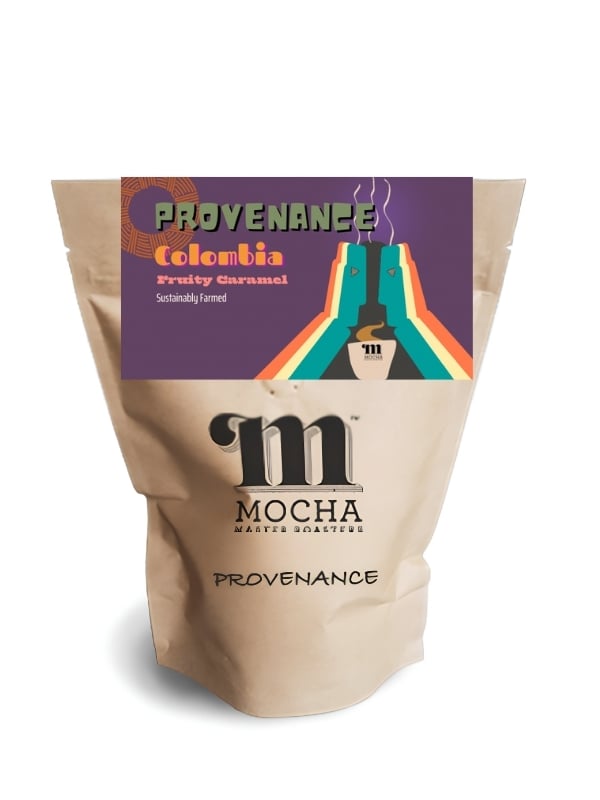
- For Bright & Lively Acidity: Try our fruity, caramel-noted Colombian Single Origin.
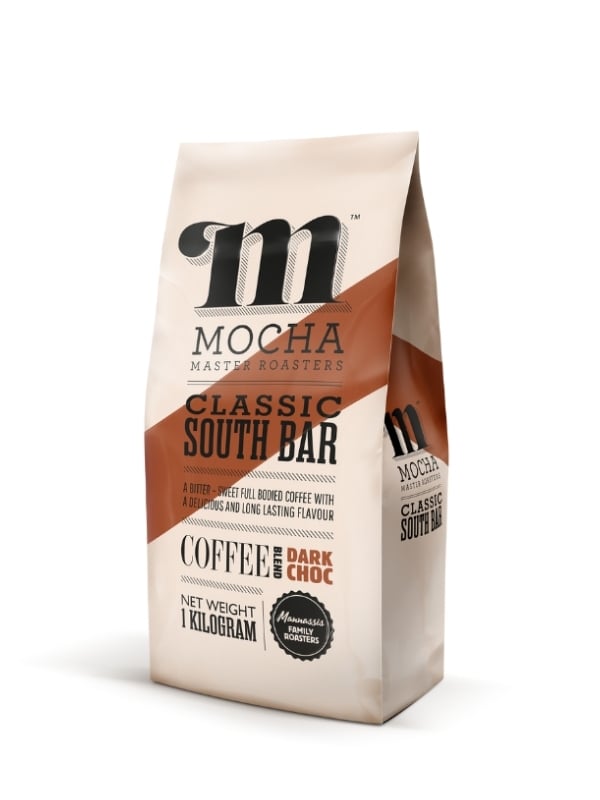
- For Deep & Carbony Notes: Try our rich, dark-chocolate South Bar Blend.
What Causes Excessive Bitterness in Coffee?
Coffee bitterness isn’t mainly from the raw beans – it’s created during the roasting process. Scientists identified two key compounds that form as beans are roasted, which cause different types of bitterness. (Sophie L. Rovner accessed 13 April 2026)
Chlorogenic Acid Lactones vs. Phenylindanes
- Chlorogenic Acid Lactones (Milder Bitterness): Formed early during roasting; creates a smooth, mild bitterness typical of light to medium roasts.
- Phenylindanes (Harsh Bitterness): Formed in longer roasting periods breaking down lactones; creates a sharp, intense bitter taste predominant in dark roasts.
How to Reduce Bitterness in Coffee: Key Factors
Clean Equipment and Fresh Water
- Backflush Regularly: Keep equipment free of coffee residue build-up to avoid rancid flavours.
- Use Filtered Water: Utilise quality water filters to reduce scale and chemical taints.
- Fresh Water Tanks: Avoid leaving standing water in home espresso machine reservoirs; refill with fresh cool water daily.
Choosing the Right Bean (Arabica vs. Robusta)
- Arabica: − Very aromatic, great sweetness, complexity, good acidity and length. Grown at high altitudes between (1200 – 2200 MASL)
- Robusta: − Heavy body, bold and earthy, low acidity, chocolate notes. Grown at low altitudes between (900 – 1200 MASL)
Roast Levels (Light vs. Dark)
- Light roasts: brighter vibrancy, mild body, high acidity, cereal aroma.
- Medium roasts: more complexity, well rounded and balanced, good sweet palatable acidity, enticing fruity/nutty/chocolate aroma.
- Dark roasts: Stronger bold roasty notes, bitter, earthy aroma and flavour, low acidity
Coffee Origins & Bitterness Profiles
Different coffee regions produce distinct flavour profiles that naturally complement different brewing methods and bitterness preferences:
- Brazilian, Indian & Honduran (Espresso-Friendly): These Arabica coffees display smooth, chocolatey, malt and marzipan flavours with low acidity and a rich finish.
- Guatemalan & Colombian (Filter & Plunger Friendly): Offer sweet butterscotch and vibrant nuttiness with medium body and good acidity.
- Ethiopian & Kenyan (Filter & Plunger Friendly): Renown for sweet, bright fruity flavours and a delicate, tea-like texture.
Coffee Freshness & Storage Tips
Once a coffee pack is opened, exposure to oxygen causes the beans to lose delicate aromatics and develop stale, rancid bitter flavours within four weeks. While coffee won’t spoil like perishable food, proper handling is essential to retain it’s natural sweetness.
- Roast Date Sweet Spot: While coffee can be enjoyed a few days after roasting, flavor complexity peaks during the third week from the roast date, where sweetness and vibrancy are at their optimum.
- Consume Within One month: For maximum freshness and minimal bitterness, purchase freshly roasted beans and finish opened bags within 30 days.
- Protect From Oxygen: Always use resealable bags, press out excess air, or transfer beans to specialised airtight storage containers to slow oxidation.
How To Reduce Bitterness In Coffee -Adjusting Grind Size & Extraction Time
What your tasting in a coffee is the actual dissolved solids of the ground coffee.
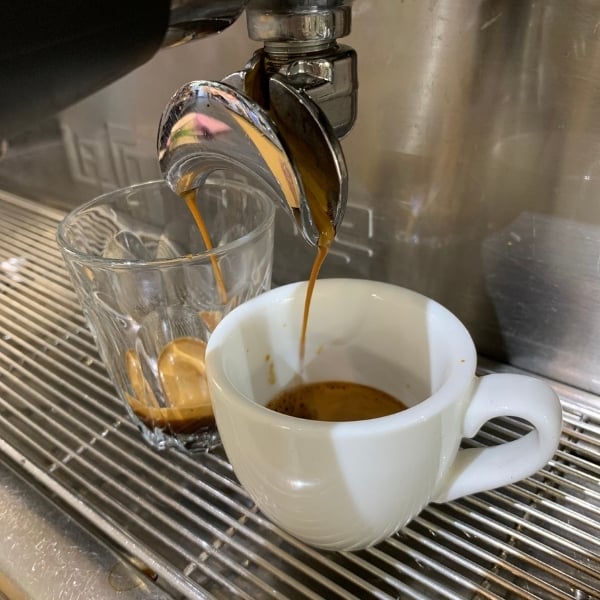
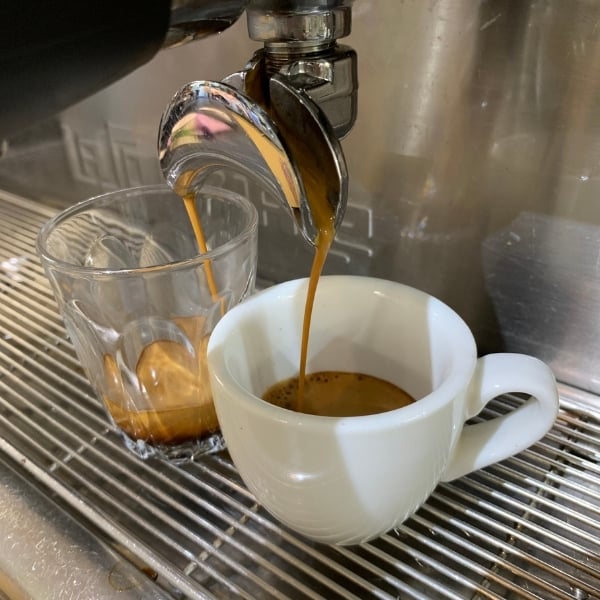
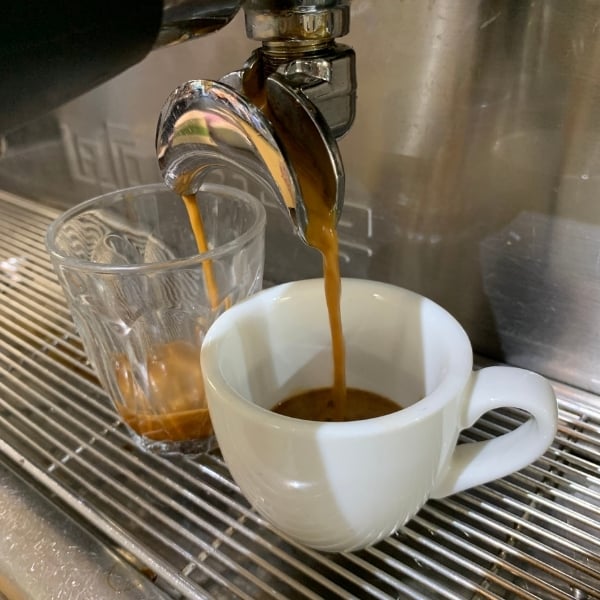
- Too Fine Grind: Increases surface area and contact time, extracting excess dissolved solids that cause over-extraction and harsh bitterness. It can also mute the clarity and acidity.
- Too Coarse Grind: Water passes through too quickly, resulting in under-extraction, sourness and a thin body.
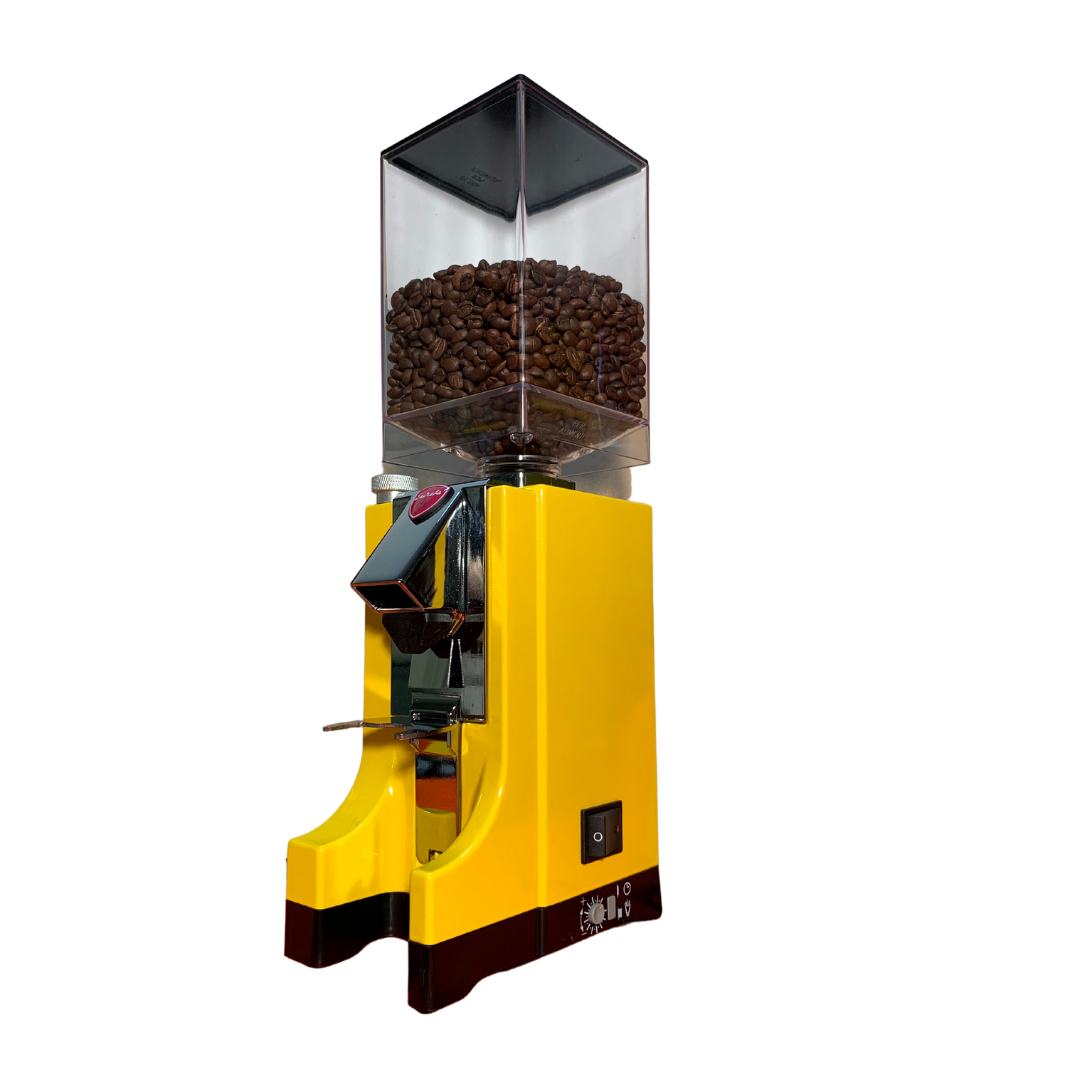
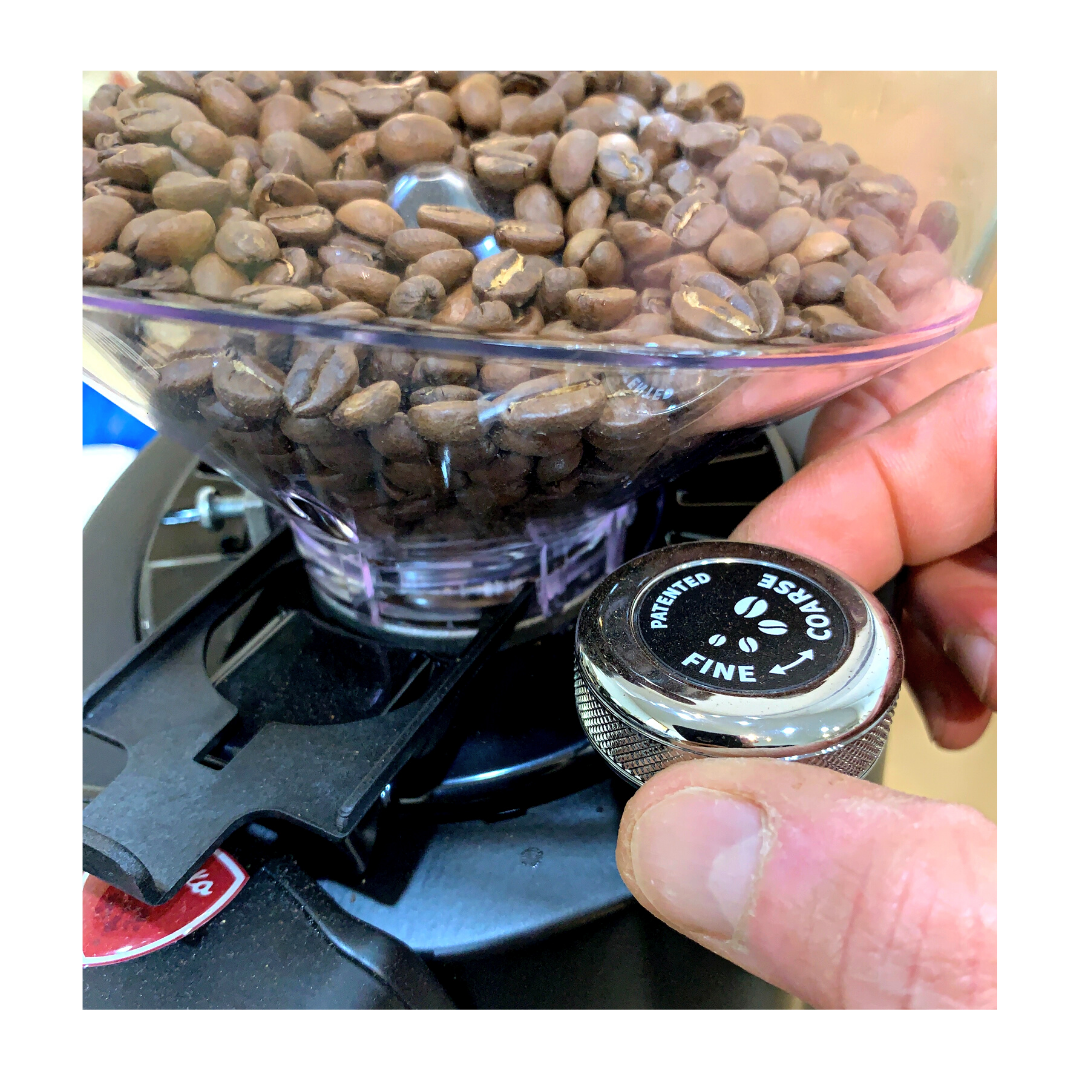
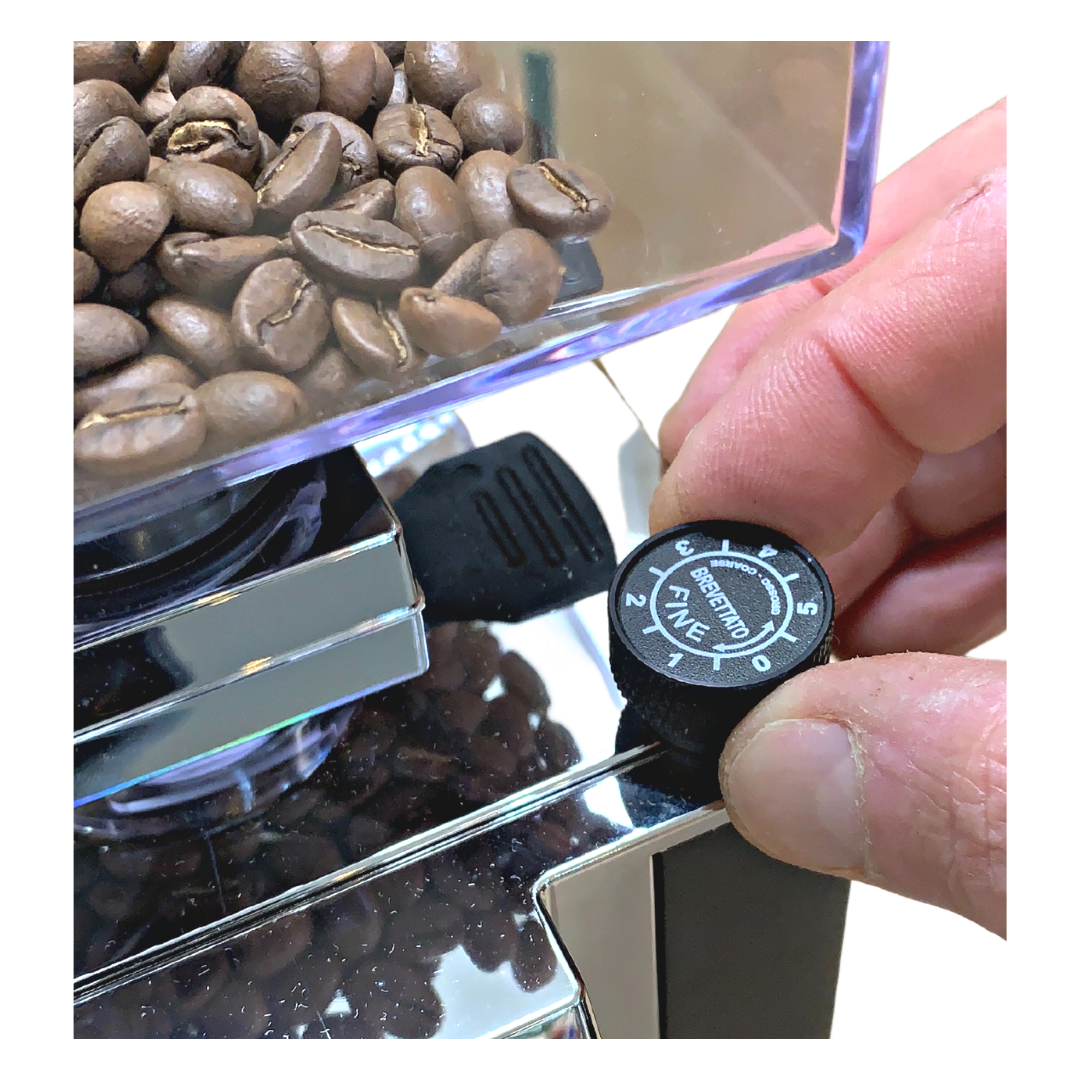
However, it does depend on the type of coffee maker you’re using. As you know, a plunger requires a much coarser grind, while espresso machines rely on precise grind settings to achieve the best extraction and flavour.
How Temperature Affects Coffee Taste
Coffee flavour is not static—it changes dynamically as temperature drops. Temperature directly affects the volatility of aromatic compounds, how our taste buds perceive flavour notes, and the mouthfeel we experience in every sip.
- 45°C–55°C (Sweet Spot): The ideal drinking temperature where natural sweetness, body and flavour complexity peak.
- Above 65°C: Scalds taste buds and amplifies harsh bitter notes while masking subtle flavours.
Why Cooler Coffee Tastes Better
Whether you brew espresso, filter, or plunger coffee, allowing your cup to cool slightly to 45°C–55°C gives your taste receptors time to detect subtle flavor nuances, resulting in a smoother mouthfeel and a fuller body.
Optimising Brewing Temperature & Drinking Temperature
Brewing temperature guidelines
- Espresso machines: 90ºC – 94ºC
- Filter: 94ºC – 96ºC
- Plunger: 96ºC
The less time the ground coffee is in contact with the hot brewing water, the less amount of dissolved solids are extracted hence less body. Longer extraction more dissolved solids hence more body.
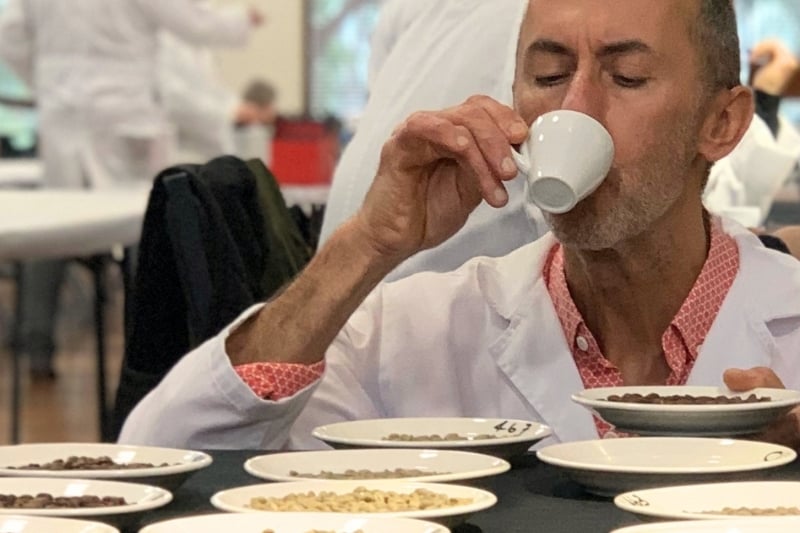
“A Note from Our Roastery: We get the odd bean customer that asks for their coffee “extra hot.” We brew them a cup served at the ideal drinking temperature first. Most are surprised by how much more flavor, sweetness, and depth they experience when the coffee isn’t piping hot—and many tell us it completely changes how they enjoy their daily brew!”
Frequently Asked Questions
Why does my coffee taste bitter?
In most instances, coffee tastes bitter due to over-extraction caused by a grind that is too fine. Adjusting to a slightly coarser grind will quickly reduce bitterness and improve the overall flavor. Several other factors can also affect taste—for more details, read our guide on (how to find the right grind for your coffee machine).
How do I make my coffee taste less bitter?
Switching to a slightly coarser grind is usually the best fix, as a grind that is too fine leads to over-extracted, bitter coffee.
You can also try slightly reducing your ground coffee dose. For milk-based drinks, cutting your espresso shot yield slightly shorter can cut out the harsh end-of-shot bitterness while keeping a rich flavor.
What causes bitter coffee when brewing?
Bitterness is typically caused by over-extraction, which occurs when hot water remains in contact with the ground coffee for too long. Extended contact time causes the water to extract harsh, bitter compounds that degrade flavor clarity and dull the vibrant notes of your coffee.
To reduce bitterness, try these adjustments:
- Coarsen your grind: A fine grind slows down water flow, extending contact time and accelerating over-extraction. Adjust your grinder to a slightly coarser setting.
- Check your brew ratio (dose): Running too much water through your coffee grounds leads to over-extraction. Try running less water for a balanced, sweet cup.
- Shorten brew time: If your steeping or pour cycle takes too long, reduce the overall contact time.
Brewing with a French Press? Check out our Best Coffee for Plunger Guide to dial in your recipe.
Does dark roast coffee taste more bitter than light roast?
Yes—darker roasts generally taste more bitter than light roasts, all else being equal. During longer roasting, chlorogenic acids break down into compounds like phenylindanes that contribute to a harsher, more pronounced bitterness, while acidity drops.
- Light roast: higher acidity, less bitterness, more origin/fruit notes.
- Medium / medium‑dark: balanced acidity and bitterness, often chocolate/nutty.
- Dark roast: lowest acidity, strongest roast‑driven bitterness, smoky/chocolate notes.
Brewing variables (grind, time, temperature) can increase or reduce bitterness at any roast level, so a well‑brewed dark roast can taste rich rather than harsh.
What grind size should I use to avoid bitterness?
Bitterness comes from soluble compounds that dissolve into the water (especially when contact time, temperature, or surface area push extraction too far). Hence by adjusting your grind a touch coarser will speed up the extraction time and reduce the bitterness. Adjust in tiny increments until you find the sweet spot.
Why does my coffee taste sour?
The sourness your tasting is generally caused by under‑extraction.
- Grind too coarse
- The brewing temperature is way too low.
- Brew time is too short.
- The roast degree of the coffee is too light.
To fix it, try a finer grind, hotter water (around 93–96°C), and/or a slightly longer brew time, and make sure your beans are fresh.
If your still finding it too sour, then try a medium roast coffee.
No Comments