

Discover Why Honduras Organic Coffee Is The Go-To For Home Baristas
There’s a few reasons why Honduras Organic coffee is becoming popular with home baristas. Firstly I’ll be briefing you on the coffees background. From there I’ll be explaining the coffees attributes and how these attributes affect the coffee. We’ll then delve into what makes a great espresso coffee and what happens when we add milk including non dairy alternatives.
Table of Contents
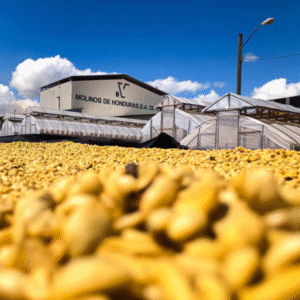
Molinos Honduras organic coffee facility
Honduras organic coffee background
Marcala the organic haven of Honduras coffee situated in the La Paz department south west of Comayagua where coffee production originated back in 1800. Today Honduras is the largest coffee producer in central America and is the world’s third largest producer of washed arabica. There’s over 100,000 registered small farm holders throughout the various growing regions. Hence, producing different cup profiles.
A coffee that’s good for the soul – Naturally organic
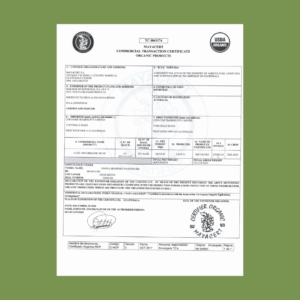
Mayacert Organic Certification
- Free from pesticides and agrochemicals.
- Organic certified at farm level.
- Grown at high altitudes between 900 – 1800 m.
- 100% Arabica washed coffee.
- Growing regions Comayagua, Montecillos, Copan, El Paraiso, Opalaca and Ocotepeque
What does Honduras organic coffee taste like?
For a Honduran single origin this is one rare coffee. The secret is that it’s naturally low in acidity, multidimensional and is renown for it’s chocolate notes, good body and well rounded/balanced flavour. Hence can stand alone in all espresso based coffees.
- Milk – Adding milk enhances the earthy chocolateness and mouth feel.
- Black – This is when you can appreciate what balance means. There’s upfront body, complexity, good mouthfeel and a lingering sweet apple-like finish coated with chocolate.

Complexity comes through the roast development. Our family has been sourcing, roasting and blending coffees for four decades. We have the expertise to ensure we roast each individual coffee into what we call the ‘sweet spot’. This is where the magic happens transforming the coffees’ natural acidity into a more palatable sweet flavour whilst still maintaining an improved crisp lingering finish.
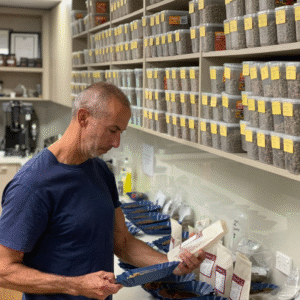
Mocha Coffee Quality Control
Coffee attributes
- Aroma – Earthy chocolate
- Acidity – Low
- Bitterness – Similar to dark choc / bitter-sweet
- Sweetness – Good choc-caramelly
- Body – Medium yet full and well rounded
- Mouthfeel – Well balanced satisfying and great finish
What effects do the various attributes have?
All coffees regardless of origin are evaluated according to each attribute. We look for a good balance amongst each attribute. Acidity in coffee is a highly regarded attribute. It adds complexity and character along with enhancing the coffees length. However too much acidity can spoil the coffee. For example; if you were to compare an Ethiopian versus a Honduran coffee both with the same processing method and a medium to light degree of roasting, you will find the Ethiopian as quite tart as opposed the Honduran. It’s this natural balance of acidity that the Honduras organic coffee has that makes it a versatile coffee. It’s easy to drink and goes well as a white coffee.
What makes a great espresso?
A perfect espresso has a golden brown/mahogany – ‘crema’ floating on the surface and a well balanced flavour. It has a rich aroma with an upfront full flavour that holds and lingers all the way to the finish leaving a good mouthfeel. Let’s face it, all coffee is bitter, coffee is a bitter beverage. The bitterness we’re after is a good bitterness, one that is palatable. As with any coffee, depth and balance of flavour are key.

Perfect espresso extraction
Some coffees you’ll find are one dimensional, they’re all upfront and lack depth and finish. Single origins are great but can often be one dimensional. This is where experience comes into play. A good coffee roaster will be able to turn an Ethiopian single origin into a very sweet rich coffee ideal for use in an espresso coffee machine. It will still have that fruity/floral note with a good mouth feel, hence depth of flavour, palatable acidity and good bitterness.
The nature of espresso extraction produces a quite heavy concentrated coffee which amplifies all the tasting components and attributes. So, if any of the attributes tend to lean too much one way then the coffee becomes unbalanced and undesirable.

Effects milk and non-dairy alternatives have on coffee.
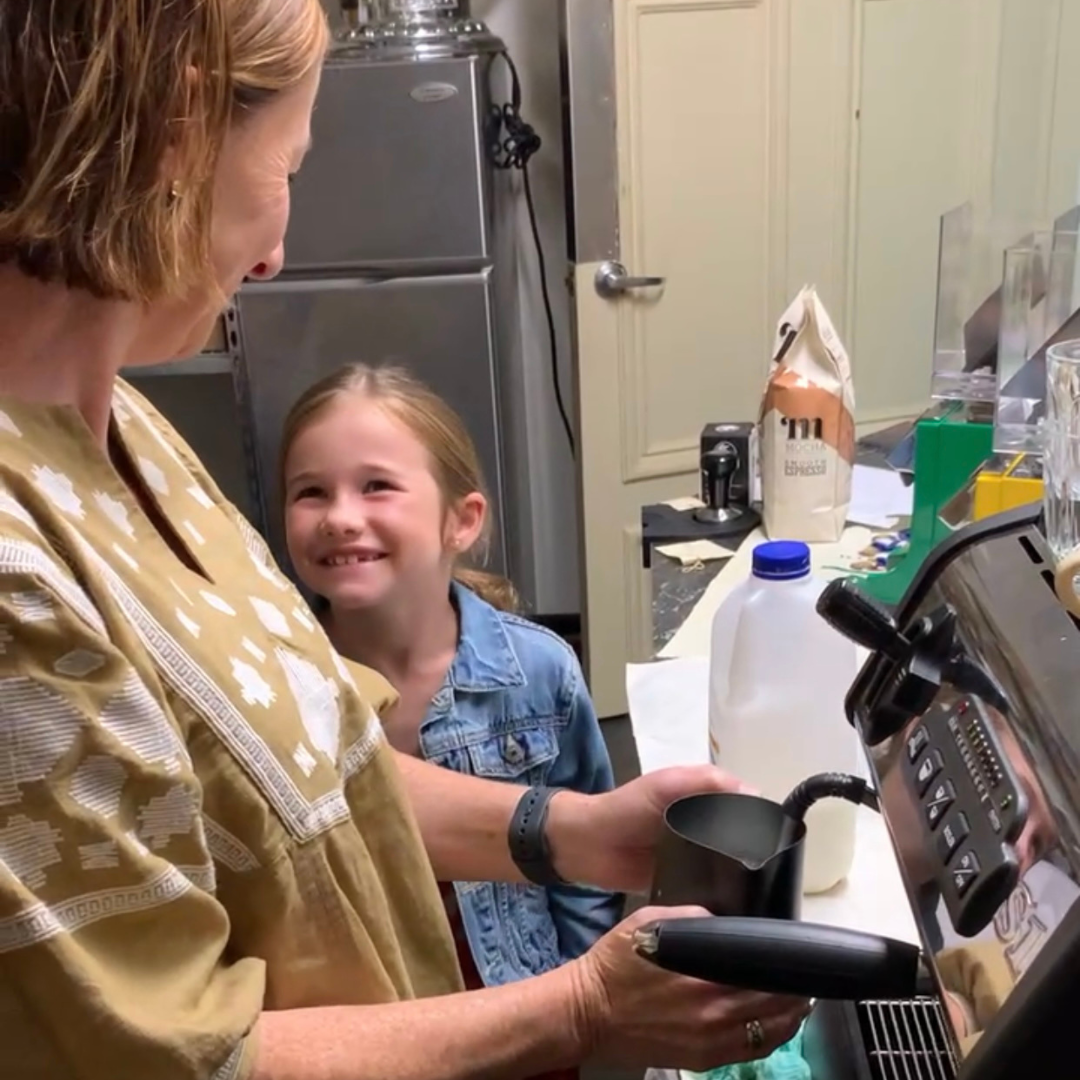
Full cream milk is quite interesting as it can mask undesirable flavours but also tends to highlight the coffee’s acidity. However it does enhance chocolate, nutty and earthy flavours within a coffee. One thing milk doesn’t like is acidity. If a coffee is very lightly roasted it will taste like sour milk. Some light roasts have some sweetness to them hence the coffee is palatable but it’s quite mild and lacks body and depth of flavour.
Skim and lite milks have less fat content to buffer the effects of the acidity. So, if you’re a skim or lite milk drinker, the Honduras organic coffee will go down well. Other coffees with a lower acidity you can try are the ‘Brazilian’ single origin or our ‘Smooth Espresso.’
When it comes to any espresso based coffees, you don’t want too much acidity as it produces a very strong concentrated coffee. So, as outlined earlier acidity is important but in small amounts.
Some non-dairy alternatives tend to curdle if the coffee is quite acidic. The acidity acts in the same way as with curdling cheese.
- Soy non-dairy alternatives tend to increase the nuttiness in the coffee and mouthfeel. However, this will vary amongst brands.
- Oat non-dairy alternatives are probably the closest flavour to dairy-milk.
- Almond non-dairy alternatives tend to be sweet so will mask the acidity.
Q’s & A’s
Is Honduran coffee good for espresso?
Yes of course. Honduran coffee is known for having low acidity, good body and balance. It’s got notes of bitter-sweet chocolate and caramel. It makes a great Crema too.
Is Honduran coffee strong?
The strength generally depends on the roast. However, Honduras organic coffee has a medium body with a balanced acidity and good mouthfeel. There’s a good lengthy finish which is why many of our customers and ourselves enjoy it in an espresso maker.
Is Honduran coffee acidic?
Honduran coffee is quite special as it has a well rounded complex flavour with low acidity. This is why it’s becoming popular in espresso blends and amongst home Baristas. Acidity is relevant to altitude growing region and roast degree. The higher the altitude the higher the acidity. In saying that, Honduras coffee is grown at high altitudes but has a unique balanced acidity with rich chocolate notes and a great mouthfeel. This is why our family has been using Honduras organic coffee for decades in our famous MALT & CREAM ‘Smooth Espresso’ blend.
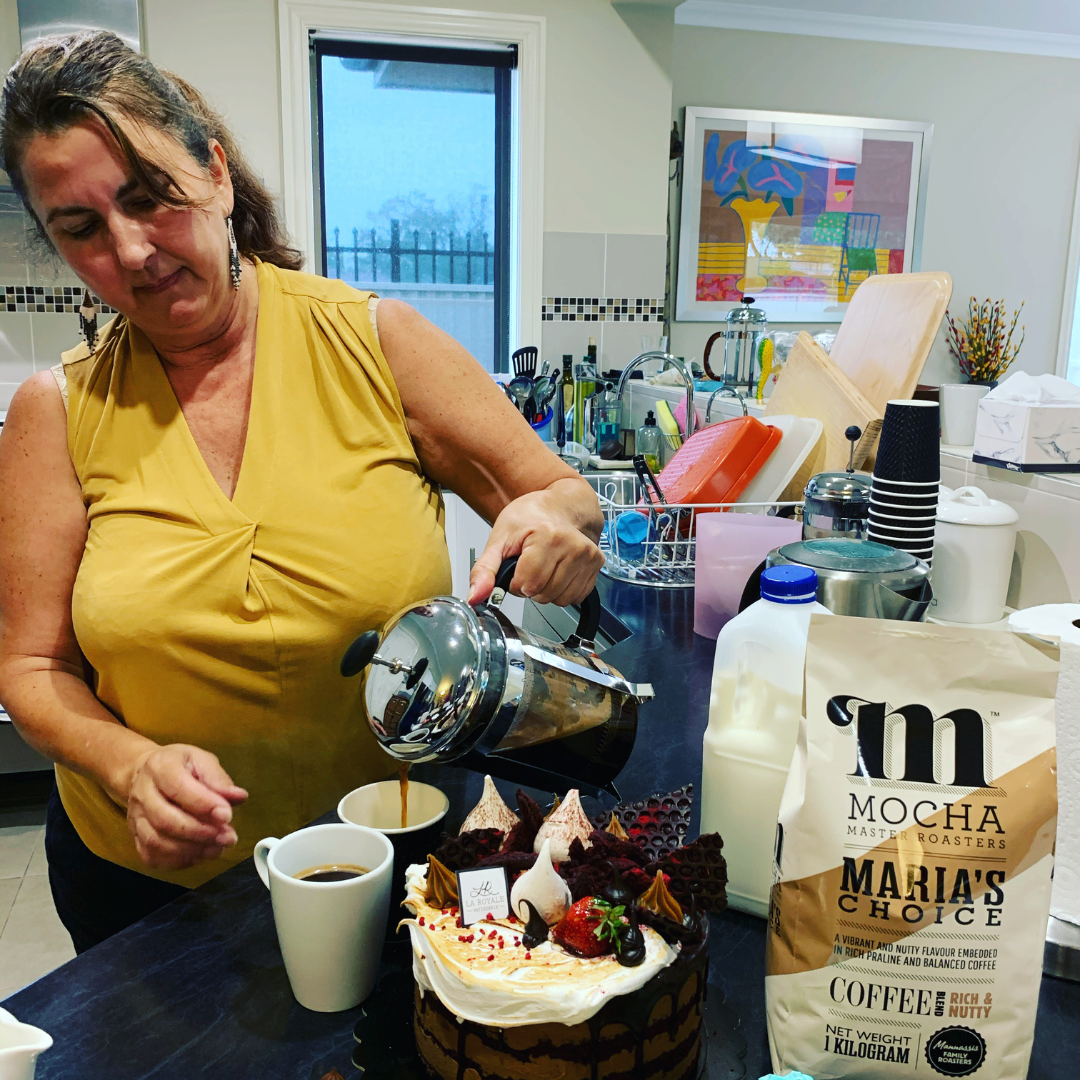
Can I use Honduran coffee in my plunger?
Honduran is a great coffee for plunger. If you like a well rounded coffee with good balance and complexity then go the Honduras organic coffee. Be sure to grind it coarse and enjoy.
Is Honduran coffee good?
It’s not good, it’s great. A very rare single origin coffee that’s so versatile in many different coffee makers. The versatility comes from it’s unique character – low acidity, balanced, sweet with choc/apple notes. Having it black is when you really get to understand what we mean by balance, there’s upfront body, good mouthfeel and depth of flavour with a sweet subtle apple-like flavour drowning in chocolate. Adding milk enhances the earthy choc notes and depth. It’s great as piccolo or cappuccino.

No Comments